Monday, February 27, 2017

“Don't simply retire from something; have something to retire to.” - Harry Emerson Fosdick
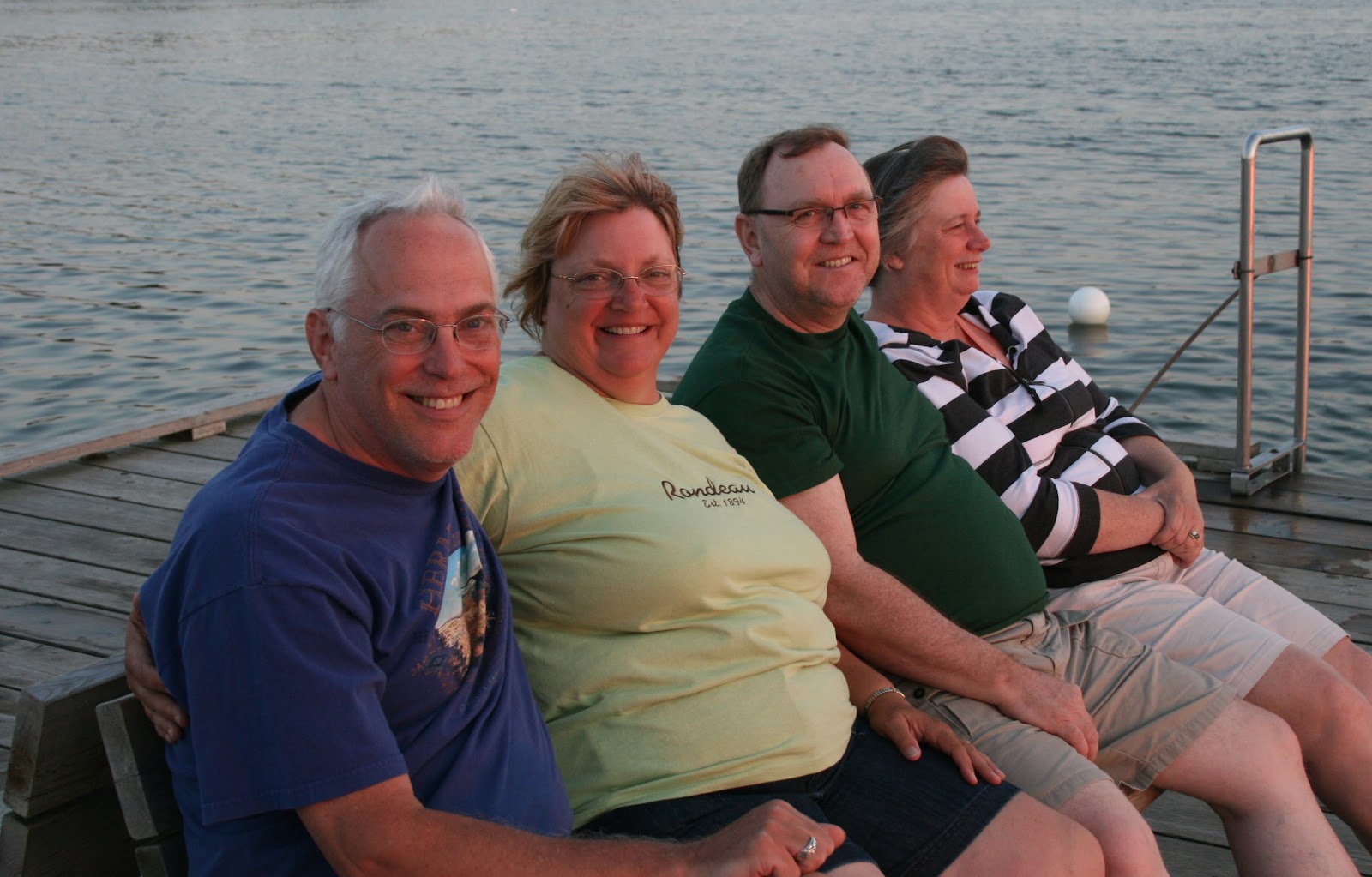
I’ve begun talking to some retired people I especially trust about retirement. In the process, I’m learning some interesting and useful things, and I plan to do more of this over the next few months as part of my preparing for this change in my life. Today, I’ll share some of what I’ve learned so far in talking with my wonderful wife, Sue, two of our dearest friends, and a colleague from my university. This is a longer essay than many I’ve written, because I am learning so much that is useful! I’ll probably return to this topic again once I’ve had the chance to talk with more of my retired friends and colleagues.

I’ve approached my planning for retirement in what I hope is a thoughtful way. While I can be spontaneous, I do approach important decisions with a certain amount of study and structure. Before I began talking with people about their experiences in retirement, I thought about the questions I wanted to ask them. I prepared a list of these and I’ve used that to guide my interviews with them. I also make sure to encourage the people I’m talking with to share things I haven’t thought to ask about, and specifically ask if there are questions I should have asked, but didn’t, or other things they’d like to tell me.

So far, I’ve mostly talked with my loved ones. In addition to the interviews I’ve done so far, I’ve also had some very helpful conversations with my sister and her husband and I look forward to talking more with family, friends and colleagues. Everyone has been very kind, helpful and generous with their time. I’ve received quite a lot of reassurance, and encouragement, including some comments that they are confident my care in preparing will help me as I retire. One specifically advised me to take time to think about what is coming up and what I might want to do. Everyone has told me to be prepared for some surprises or adjustments, but also assured me they think I’ll be able to handle these.

Some of what I’ve learned from my conversations has verified my existing expectations about what I will need to do, or will experience, in retirement. It will take me awhile to get used to the idea of being relaxed. I’ll need to learn to say “no”, always a challenge for me, and to not let other people schedule me, because they will expect me to have time for things. I’ll need to make an effort to get the exercise and physical activity I want and need, and getting outside for a while every day, even to talk a walk, will be very helpful. I’ll find that I don’t have all the time in the world to do everything, that I will still have to choose, and make peace with these choices. I’ll need to remember that time together, and time alone and apart, are both important. This may take some getting used to, and I’ll be remembering the wise words of Kahlil Gibran to “Let there be spaces in your togetherness.”

Other things I’ve heard in our talks weren’t as obvious, but immediately made sense to me. I heard advice not to really schedule anything except maybe vacation for the first 6 weeks to 6 months of retirement. To let myself have some down time, and maybe even get a little bored,  first. More than one friend suggested that I start some things understanding that I may not continue them all, and to choose some things to get into a non-work mode. I was advised to remember the times we’ve said “We’re going to do this later”, and to remember that it’s later now, and time do these! With regard to volunteering, I’m advised to remember to do things on a trial basis first, maybe volunteer for a couple things just a little, be prepared to “dabble”, and not make big new time commitments right away.

Many people commented that I may find that I let some things take more time than I used to, that everything slows down a bit and things “spread out”, and that I may choose to schedule just one thing to do outside the house on any given day. They also suggested that I might think retirement is more social than it really is, and that I’ll have to work at the social aspect. I’ve heard that staying healthy physically and emotionally go together and this really makes sense to me. When I’m in good shape physically, it’s much easier to be emotionally well. Everyone agreed that travel is wonderful and most suggested that, while we’ll have the time, money will likely be the limiting factor. Taking more little day trips together will be much easier now, and we can have a lot of fun for little or no expense.

One friend made a point of telling me not to wait ‘til we are 70 or 80 to go places and this agrees with good advice from my wife’s parents and others over the years. Another friend who has spent substantial time with our elders observes that those older people who’d traveled most, and have stayed most engaged in learning and social life, are the ones who are doing the best as they age. I also very much appreciated the suggestion that it will be helpful to be aware of my spouse’s work rhythms, as will discovering my own and helping my spouse understand those. That it is wise to be careful about making  time and activity commitments without discussing it with my partner, to “be patient with each other”, and remember that my spouse will need time to adjust, too. More than one of my loved ones reminded me to do some things to get out of the house and away from everybody at times. Partly for me and partly for them!

One of the most interesting thing about these conversations I’ve been having is the ideas and suggestions that surprised me. Some were obvious once I heard them, like “If you find that you are not getting enough time to do an activity you want to do, then schedule it”. I’m told that, if I’m not getting enough time for something I want, I can claim time for that. I’ve been encouraged to remember that this is the time to try things in my life, and reminded that I can tend to commit to things and stay committed beyond the point that is useful for me. One loved one said I should be prepared to make choices between fun things, and to pick something and give myself permission to stop doing something else. I was surprised by the idea that not making these choices, so I can remain free to seize the moment, might actually cause me to lose some time I could be spending on fun and rewarding things.

While I understand that it will be important not to get too caught up in what other people want, I do have trouble saying “no”. One of my loved ones suggested I remember I can always say, “Can I get back to you about that?” or “Let me think about that”, as way of gently giving myself time to make choices that are good for me. Another reminded me that retirement doesn’t mean I won’t work hard at times and that it’s OK to work hard at the things I love. They also shared that when they were working the one thing they would have asked for is free time. Now it’s meaningful time. It is important to find someway to be of value to others, and to find satisfaction in serving and receiving acknowledgement from them. I was also advised to watch out for trying to take over things my spouse wants to do. There are likely some she’ll be glad to have me take over, but others that are “hers” that she’ll want to keep. It was an eye-opener for me to hear that sometimes as a spouse the harder you try to help the worse it can get. This is really good advice for me and not just for retirement. Sometimes what is needed is time, space, and letting go. Patience and communication will always be helpful.

It was enlightening to have one of those closest to me tell me that they think I can be afraid to be comfortable with myself. They were right to observe that I am always trying to improve and yet I talk about wanting to simply “Be”. Retirement may give me time to let go, relax, just be, and see what happens. This may take some discipline for me. I appreciated the suggestion that I think about what my “default activity” will be in retirement. After working 40 hours a week for about 40 years, what will I do when there’s nothing I need to do? I was advised to check in every couple months to see whether I am I doing what I want to do and ask “Does this match my needs?” I’m allowed to stop what doesn’t work, and give more time to what I want. I was surprised and delighted to hear a respected friend say, “You’re more tired than you think you are, and won’t really realize that until you are really retired.”

When I asked people what they liked most, and least, about retirement, I found their answers very helpful, and thought-provoking. I heard that they liked having choices and getting to choose, not working and having the work pressures, the freedom to schedule their own time and to say, “Hey, let’s go do…” whatever they want. I heard that some didn’t much like the other side of choosing, where we have to choose and take responsibility for the consequences of our choices, the isolation that can be part of retirement, and occasional boredom. I heard comments that travel helps, and that you do still have to get motivated to do things.

I so appreciate the time my friends and loved ones are giving me in this process of preparing for retirement. I think that this is helping me. At the same time, it feels a lot like reading about the history, customs, and culture of a foreign land where I will be immigrating soon. I realize, and some of those I’ve talked with agree, that I won’t really know what it is like to live in retirement until I arrive there. Hopefully, my preparations and planning will have helped get me ready for the changes, and surprises, I am bound to find there. I was glad to have one of my loved ones advise me to try to relax about this. They tell me it will come, happen, and have its own rhythm. That’s comforting and I’m glad to say that, while I am nervous and excited about retirement, my nervousness is remaining steady as my excitement increases.

© 2017 James Michael. The text of this work is licensed under Creative Commons Attribution-NonCommercial-NoDerivatives 4.0

Monday, February 20, 2017

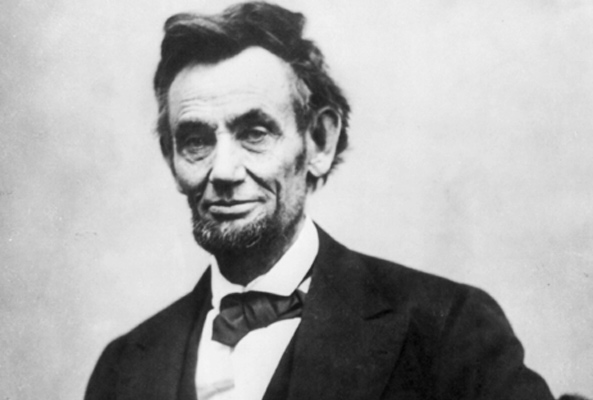
“I leave you, hoping that the lamp of liberty will burn in your bosoms until there shall no longer be a doubt that all men are created free and equal.” - Abraham Lincoln, July 10, 1858 Speech at Chicago, Illinois
As this President’s Day holiday is not one of my last 100 Monday’s, I’ll share just a few thoughts, and quotes from some of the great men who have served our country in this role. I look forward to the day when women will have also served as President and I believe we benefit from having their leadership and perspectives in senior roles in government, education, and business.


The courage and integrity required to serve effectively as president, or in government in general has been an inspiration to me during my life and career. Watching our leaders face difficult choices, criticism, and crisis with courage, intelligence, humility, and wisdom has provided many great lessons for me.


As I think of my own life mission, to do what is right with love, I realize that the leaders I most admire approach their own work guided by similar values. They seek to do what is right even when it is very difficult. They have a strong ethical foundation and moral compass. While I would never compare myself to men who have faced the immense challenge of the presidency, I do admire the best of our presidents and learn from their examples.


I've enjoyed reading the biographies, speeches and letters of many of these great men. There is so much to learn from their experience, thoughts, and struggle. I particularly enjoyed John Kennedy’s “Profiles in Courage” with its examples of leaders who stood up for what was right even at great personal cost.


Here are some of my favorite quotes from a few of our greatest presidents. From my childhood heroes, Lincoln and Kennedy, to founding fathers, Washington and Jefferson. From others rated among the greatest by historians such as Theodore and Franklin Roosevelt, Truman and Eisenhower, to two of the presidents I am most proud to have voted for, Carter and Obama. I particularly admire what many of them did to pursue equal justice for all.


“I have here stated my purpose according to my view of official duty; and I intend no modification of my oft-expressed personal wish that all men everywhere could be free.” - Abraham Lincoln


"Tolerance implies no lack of commitment to one's own beliefs. Rather it condemns the oppression or persecution of others.” - John F. Kennedy.


“for if Men are to be precluded from offering their sentiments on a matter, which may involve the most serious and alarming consequences, that can invite the consideration of Mankind; reason is of no use to us—the freedom of Speech may be taken away—and, dumb & silent we may be led, like sheep, to the Slaughter.” -George Washington


“The spirit of resistance to government is so valuable on certain occasions that I wish it to be always kept alive.” - Thomas Jefferson


"The farther one gets into the wilderness, the greater is the attraction of its lonely freedom." - Theodore Roosevelt


“Human kindness has never weakened the stamina or softened the fiber of a free people. A nation does not have to be cruel to be tough.” - Franklin D. Roosevelt


“When even one American - who has done nothing wrong - is forced by fear to shut his mind and close his mouth - then all Americans are in peril” - Harry Truman


“Don't join the book burners. Do not think you are going to conceal thoughts by concealing evidence that they ever existed.” - Dwight Eisenhower


“America did not invent human rights. In a very real sense human rights invented America.” - Jimmy Carter

“We've been warned against offering the people of this nation false hope. But in the unlikely story that is America, there has never been anything false about hope.” - Barack Obama

© 2017 James Michael. The text of this work is licensed under Creative Commons Attribution-NonCommercial-NoDerivatives 4.0

Monday, February 13, 2017

"Don’t let someone steal your tenderness. Don’t allow the coldness and fear of others to tarnish your perfectly vulnerable beating heart. Nothing is more powerful than allowing yourself to truly be affected by things. Whether it’s a song, a stranger, a mountain, a rain drop, a tea kettle, an article, a sentence, a footstep, feel it all – look around you. All of this is for you. Take it and have gratitude. Give it and feel love” - Zooey Deschanel
Today I find myself thinking about our sharing thoughts and feelings, and listening to and respecting the thoughts and feelings of others, as a way of growing closer. This is certainly one of the most important parts of my personal life, and it may not seem like a professional topic, but it can be. After all, just as in our personal lives, the relationships we form in our professional careers are fundamental to our success, and satisfaction.

When I share my thoughts and feelings in a way that is open to hearing what others think and feel, I am making myself vulnerable, offering trust, and inviting a closer and deeper relationship. I am prepared for agreement or disagreement, and ready to engage in a discussion that helps foster mutual understanding, and that may result in my growing and changing as I hear what others have to say. If those I am sharing with listen openly to what I share, I experience a growth in the trust and closeness between us. If they choose to also openly share their thoughts and feelings, and I listen with an open heart and mind, prepared to change based on what they share with me, I invite them to feel a growing trust and closeness between us.

I hope it is clear how this can enrich our personal lives, and I know that the risks I’ve taken by being vulnerable to my loved ones have been rewarded with the growth of rich, deep, warm, and close relationships between us. I appreciate the trust they’ve offered me when they have taken the risk of sharing and being vulnerable with me. I treasure the intimacy that has grown between us as we have each allowed the other closer to our deepest thoughts and feelings.\

When I talk with my beloved wife, sharing some story or beautiful sight from my day, remembering happy and meaningful moments together, or sharing our hopes, fears, and concerns as we talk through something more challenging, we grow even closer. When I talk with my sisters about who we all were as children and who we’ve become as adults, or with my nieces, nephews, brothers-in-law, and other family, about the lives we’ve shared, the people we’ve become, and the dreams and worries we face along the road of life ahead, we maintain and strengthen the bonds of family.

When I write, as I do ‘most every day, to our dearest friends, or connect with them through text chats or video visits, I share some of my deepest thoughts and feelings. When we spend time together this way across the miles, and in the precious days we have to spend together in person, I listen to what they have to share. We talk about our joys and sorrows, challenges and triumphs, the values we share, and the events and experiences that fill our lives with meaning and purpose. As we do, these closest friendships grow closer, stronger, and richer still.

When I am given the gift of time with our great niece and nephew, with the grandchildren of dear friends, or with any of the precious little ones in our lives, I have a special opportunity to be open and trusting as I share who I am and, especially, to invite these lovely children to feel welcome and loved. To learn to feel free to share their thoughts and feelings with family and loved ones, and to know that they will be safe and trusted. That they will be listened to, shared with, and included. That we want to hear about their ideas and their feelings. It seems that our little ones meet us with trust and love to start with, and that our opportunity is to make sure it stays that way.

At work, in meetings and one-on-one conversations, these same opportunities are there to take the risk of vulnerability and trust to help create strong and close relationships. As we share our ideas and aspirations, and work together to recognize opportunities and solve problems, we choose how much to trust, and risk. How vulnerable or safe do we feel in offering new approaches, or in challenging existing practices? How willing are we to be open about our feelings, and to be advocates for the thoughts, feelings and interests of those we manage? The strongest teams I have had the honor of working with have been those that have taken the risk of vulnerability to forge the deepest trust. These are the colleagues who can fearlessly explore solutions, and face challenges, together because they have created an atmosphere of mutual trust and respect. A place where it is safe to bring their very best.

Handling the inevitable conflicts that are part of our professional, and personal lives, provides an especially powerful opportunity for us to strengthen our relationships. By sharing our thoughts and feelings in an open and respectful way, we not only increase our ability to understand and resolve our conflicts, we also have unique opportunities to increase and solidify the trust between us. While it isn’t always easy to share our thoughts and feelings at the best of times, a willingness to be vulnerable when we are in conflict can be an even more powerful demonstration of trust, and of how much we are willing to give to the relationships we share.

I believe that the times when it is most difficult to share our thoughts and feelings represent times when we may see some of the most significant growth in personal and professional relationships. Sharing our deepest thoughts and feelings with our loved ones in times of crisis or deep emotion, or expressing views that differ from the consensus of our colleagues in a professional setting when the stakes are high, can be very difficult, and feel very risky. When we take this risk and are met with open-minded respect, and in our personal lives with love, we can gain a deeper sense of trust, acceptance, and comfort in our relationships. Even when our thoughts and feelings do not meet with acceptance, we may still feel a stronger and closer relationship with our loved ones and colleagues as we share openly and honestly with one another to find some common ground.

The journey to that common ground can be a difficult one, and making peace with the reality that we do not agree, or feel the same, can take time and require gentle strength from each of us. A temporary challenge to trust and vulnerability, perhaps through a misunderstanding, failure to reach a respectful agreement in a difficult situation, or the sting of trust, vulnerability, or intimacy offered and not accepted, can ultimately lead to a clearer understanding between us, and a new basis for a closer, stronger relationship. It can be difficult to stay committed to the hard, individual and shared, work that is required, but the rewards can be great.

In retirement, I hope I will continue growing ever closer to my loved ones, and maintain, and establish, caring and respectful relationships with my colleagues. I hope to keep choosing vulnerability and growth over the sterile safety of retreating into my own, more narrow, view of the world. May I, may we all, have the courage, and good judgement, to take the risks that will help our relationships grow stronger. May we be rewarded with greater closeness, respect, and love.

© 2017 James Michael. The text of this work is licensed under Creative Commons Attribution-NonCommercial-NoDerivatives 4.0
Monday, February 6, 2017

"Age does not protect you from love. But love, to some extent, protects you from age." - Anaïs Nin
As I sit down to write today, I find myself thinking about an experience I am having more often as I get closer to my retirement. Given my role as a senior member of our IT leadership team at the university, I have been part of our strategic planning process, and other long-term planning discussions, for many years. Lately, I find that they way I participate in these conversations is changing. I’m realizing that I won’t be part of the future we are planning and this is leading me to change the way I engage in planning.

Until we hired our CIO, I played a leading role in these planning processes, and my colleagues still treat me with respect and value my input. Our CIO has been very gracious and is genuinely interested in my bringing my experience, and institutional memory, to bear on the decisions we are making. Of course, I still want to offer my best insights and engage as usefully as possible in each conversation!

What is different is that I find this period of transition is providing me with new and different ways to contribute as I plan with my colleagues. Because I will not be directly affected by the consequences of the decisions we make, I find that I have an opportunity to be even more objective than I have in the past, that there are moments when I can help to encourage my colleagues as they take on more significant roles in this process, and to choose to listen even more carefully while speaking less myself.

I have always worked to remain objective as we weigh our options and reach decisions. To listen carefully and consider what is best for all concerned, and what will best support the mission and strategic goals of our university. Of course, I have also advocated for the choices that I believe are best, and to support my views with data, and with reasoned arguments based on experience and an awareness of the people and technology involved. Today, I find that I am less likely to argue for, or against, a particular decision and more likely to ask questions that call on others to consider how my ideas, or concerns, affect their proposals. I hope that this process is helping our team to gain greater clarity and confidence about the choices we are making.

The opportunity to help others grow has always been one of the most rewarding parts of my professional career, and the aspect of my work that aligns best with my own interests and passion. In these final months of my time as a full-time manager, I am finding great satisfaction in watching how my colleagues on our leadership team are playing an even greater role in the planning process, and growing as they do. Where I can, I am doing my best to help them.

I have had the opportunity to express my appreciation for, and confidence in, them as they define and discuss new directions that will enhance the value we deliver for the university. I am remembering even more to respect the solid experience and expertise they bring to their roles, to defer to their greater awareness of key issues in their areas of specialty, and to value their unique perspectives. As they step forward into more and more influential positions, I am remembering to “lean back”, listen, and offer more nuanced guidance that acknowledges their strength.

I find that I feel excited and gratified as they challenge my views with their own, well thought out, proposals for changes that will benefit our department and the university as a whole. I admire their courage as they explore new possibilities and collaborate to shape each other’s ideas into the strategic directions we need. Lately, two colleagues have been presenting a new approach to how we organize some of the teams we lead to improve the service we provide. Some of these proposals specifically address how the department might adjust to my retirement, and to the opportunities for change this presents. My colleagues are careful to treat me with respect as they talk about the shape of IT at the university when I am gone. I find that, instead of feeling uncomfortable, I am excited to see them treating my departure as an opportunity to improve.

In our planning conversations, I am doing more and more listening, choosing to speak less often, and trying to be more concise. I admit that this last change has always been a challenge for me! While I offer what insights and suggestions I can, I also know that they are the ones who will need to live with the results of the choices they make, and I try to keep that in mind. To think before I speak even more than I usually do.

It is very interesting, and quite encouraging, to participate in these conversations about changes my colleagues will be making to adjust to my retiring, and to define the future of IT at our university. As their strength and experience come to the fore, I find that I am learning and growing, too. It seems that I am learning new things about listening, and about supporting the decision-making processes of others.

I wonder how this will carry over into retirement where I will spend more and more of my time with younger people whose views, and decisions, will have an increasing importance in defining our future? Of course, I will need to take responsibility for, and make decisions about, my own life, and share in making decisions with my lovely wife. I’m happy that some of our choices will be about travel and other fun activities. At the same time, I see us playing a supporting role as our sons make choices about their lives and futures. The ability to listen, to offer guidance in a nuanced way, and to be very respectful in this process will be valuable. Over time, I will increasingly be part of a conversation dealing with choices that will outlive me. I hope to participate in that conversation with an open mind, an open heart, and a deep respect for what will be best for everyone concerned.

© 2017 James Michael. The text of this work is licensed under Creative Commons Attribution-NonCommercial-NoDerivatives 4.0

Monday, January 30, 2017

"Once upon a time, wasn’t singing a part of everyday life; as much as talking, physical exercise and religion? Our distant ancestors, wherever they were in this world, sang while pounding grain, paddling canoes, or walking long journeys. Can we begin to make our lives once more all of a piece? Finding the right songs and singing them over and over is a way to start. And when one person taps out a beat while another leads into the melody, or when three people discover a harmony they never knew existed, or when a crowd joins in on a chorus as though to raise the ceiling a few feet higher, then they also know, there is hope for the world.” - Pete Seeger narrating near the end of "Pete Seeger: The Power of Song”
Today, I find myself thinking about something that has little to do with my professional career. Something that I’ve chosen for an avocation more than a vocation. I’m thinking about music and the feeling of being present in the moment, and in the music, that makes this one of the most satisfying and meaningful parts of my life. From my earliest memories of my mother singing in the car, to singing with family and friends as a boy, listening to Harry Belafonte, and Peter, Paul, and Mary, and my favorite recording of Beethoven's Pastoral Symphony at bedtime, music has been a vital part of my life. I can't remember a time when I didn't want to be a singer and I'm glad that playing and singing music is an important part of my life today.

I am a man who loves words and I strive to choose mine well to express the thoughts and feelings that I want to share. I enjoy taking the time to craft a sentence, paragraph, stanza, or lyric that will share what is in my mind, and my heart. Sometimes there are thoughts, and especially feelings, that defy being cast into words, or that I dare not try to speak. Then music may help me speak my heart beyond what words can say. In singing, and playing with no song, my aching joy, haunting loneliness, and love beyond any hope of being spoken can find voices of their own.

Singing for, and with, my loved ones and for broader audiences gives outlet, and richness, to our shared feelings. We can sing out love and joy, sadness and pain, hope and outrage. We can sing with shared passion and compassion. Compassion is one of my very favorite long words for the precious things we share. It stands beside the most important, small, words of all, respect, joy, comfort, peace, and love. It tells of how we share our passion with one another To make a better world for one another and for our children. It calls us to share empathy and our passion for freedom, justice and equality.

For me music is another of these most important words. Five letters that represent a whole world of shared feeling and artistic expression. Music is universal. It is not only a universal language, but transcends all language. It allows us to share our experience of life through a common joy in using special sounds to express what is in our minds and hearts. While there are those who profess their own lack of musicality, and clearly for some musical expression comes more naturally than for others, I’m with Pete Seeger when he says “There’s no such thing as a wrong note as long as you’re singing it.” And, with or without words, we can all enjoy listening to music, tapping out a rhythm, and humming along with the music in our minds.

One of the most difficult things for me to express about music is the sense of timelessness that it can bring. The feeling of being in the moment not needing, or able, to look ahead, or cast my mind back, beyond the now. A feeling that can be mine alone or, when the moment is right, shared with those I am playing with and for, or listening or singing with. When time seems to stop, stretch, or lose its meaning. When the world seems to become smaller, drawing in around us like the light of a campfire or a warm hug, or vastly larger welcoming us to embrace the universe together in wonder.

For me this is the place where the greatest musical moments are made. Where improvisation flows like a mountain stream or a rolling river. Where the music dances like sunlight on the waves. Where the soul of the player or singer is one with the sound they are sending out into the world. I know this is one of the reasons that I love live concerts so much. Moments of music that will come just once. Some of them captured in the live recordings which have always been my favorites. I remember opportunities to hear jazz greats like Dave Brubeck and Dizzy Gillespie in concert and to marvel at they way the occupy those timeless moments.

I smile as I remember the times I got to see The Grateful Dead live and to be with them and a crowd of others sharing the journey through their expanding improvisational landscapes together. I grew up inspired by the improvisational power and fluidity of legendary guitarists like Jimi Hendrix and Eric Clapton. Influenced in my own singer-songwriter style by Bob Dylan, Donovan, and the simple soulful warmth of James Taylor. Transfixed by and the incandescent soul of Janis Joplin.

I am so glad to have experienced live concerts, steeped in the improvisation that is central to the blues, by B.B. King, Muddy Waters, Willie Dixon, Clifton Chenier and so many others I had the pleasure to see thanks primarily to Tom Mazzolini and the San Francisco Blues Festivals he promoted over the years.

I am grateful beyond words for the opportunities I’ve had to play with other musicians in rock and roll, barn dance, Irish, and folk bands, and at sessions over the years. I love the learning, teaching, and sharing of these times we’ve had together, the music we make, the new young musicians who have grown into adults as the music played, and the community we’ve made together. I’m humbled by the times I’ve been asked to play shows of my own, and to be part of shows featuring many wonderful bands, dancers, and players.

Most of all I am grateful for those moments when I have sung my heart to my loved ones with songs of my own making, and seen them smile or laugh. When I have seen their eyes shine with love and happy tears. These are priceless shining fragments of eternity for me where we are joined together beyond the illusions of time and space. Close together in ways that begin to approach that day when we will see as face to face forever. They remain within the reach of my mind and heart always and bring me comfort, peace, joy, and love beyond the power of my poor words to tell. I treasure the opportunities left to us to make more moments like these.

© 2017 James Michael. The text of this work is licensed under Creative Commons Attribution-NonCommercial-NoDerivatives 4.0
Monday, January 23, 2017

“It is spoken at the right time. It is spoken in truth. It is spoken affectionately. It is spoken beneficially. It is spoken with a mind of good-will.” - Vaca Sutta as translated from the Pali by Thanissaro Bhikkhu
Today, I’m thinking about one of the most important things that we do. Communicating. Even as I write these words, I am communicating and face all the same challenges that we face whenever we communicate. Am I expressing myself clearly, and in a way that my intended audience can understand? Am I being understood and gauging the reaction of my audience correctly? Am I listening effectively and properly understanding the response to my communication?


For me, one of the most interesting things about communication is that we can only know that we have communicated effectively by receiving communications in return. When I write these essays, I am usually left to wonder what effect my words have had on those who read them. I also realize that my original intent in writing these essays was to reflect on my own thoughts and feelings, and to capture snapshots of these with regard to ideas and feelings that are important to me. In this sense, I am writing to myself, but the questions I ask above still apply. Even when we communicate with ourselves, there is the chance that we may still misunderstand. I know I sometimes tell myself things that I later realize are not true.


Whoever we communicate with, there is the risk that we will not have clearly formed our thoughts. The quality of what we communicate cannot be better than our own understanding and awareness of the thoughts and feelings we are seeking to express. Even when we are clear on these, there is the risk that we will not choose the right way of communicating, or that our audience will not understand for various reasons. They must take the same meaning from our words, and other forms of communication, that we intend. For fullest understanding, we will need some common frame of reference, the same sense of the ideas involved, and we may need a similar awareness of emotional aspects of what is being communicated.


The most significant communications, in my view, are conversations of some sort. Two-way communications that require not only that we make ourselves understood, but that we understand when those we are communicating with respond. Skills like active listening, emotional awareness and intelligence, and reflecting back to verify understanding can help us with this vital aspect of our communications. We often need to restate, or explain, our thoughts and feelings in response to this conversation within a conversation in order to achieve a better understanding.


Sometimes, we may even benefit from specific techniques to help ensure that each person has the opportunity to express their thoughts and be fully heard. I’ve participated in discussions where the use of a “talking stick” or other token, along with rules that help ensure each person has the opportunity to express their views, can be very helpful. I’ve also participated in facilitated discussions that have helped improve communication within teams, and have seen the use of personality assessment tools help people improve their ability to understand each other.


I am an auditory learner and many of my communications are verbal. I like words, whether spoken or written, and enjoy prose, poetry, and song. I tend to be very aware of tone in verbal communication, though my own tone is sometimes misunderstood and I continue to work on this. I am also very aware that visual information, body language and other nonverbal cues are important in many communications. I’ve learned a lot about communicating from interactions with my partner and other visual learners. In close personal relationships, the deep communication that can come from a reassuring touch, a hug, the holding of a hand, or other ways of communicating through touch are vital. They say a picture is worth a thousand words. I know that a single touch from a loved one can be priceless.


Communicating is one of the most important and rewarding things in my life. Whether I am visiting with or writing to my loved ones, talking with colleagues about the work we share, singing to share my love, joy or other emotions, or writing to express my thoughts and feelings, to me communication is a way to gain a deeper understanding of myself and others. Through my words, and actions, I seek to share myself and to grow closer to my loved ones. Even sitting quietly together can be a way of communicating my respect for a loved one’s feelings, my trust, and comfort in their company.


In my career, some of the most satisfying things I have done include coaching and mentoring colleagues, and helping people to understand and grow to trust one another. These require me to listen, to verify understanding, to think and feel about what is being communicated, and to help facilitate greater understanding. To help people grow closer to one another, and to their own understanding of themselves, is deeply rewarding.


I also know I have not entirely succeeded in communicating effectively. Just when I think I’ve been perfectly clear, I often learn that I have been misunderstood. I must return to my efforts to clearly define and express my thoughts and feelings, to verify understanding, to listen in a sensitive and effective manner. I think this is inevitable and I welcome the opportunity to grow in my ability to communicate.

In retirement, I will find new ways to enjoy communicating with others and I will be happy to spend more time with some of my favorites, including writing and singing songs. Most of all, I will welcome more time to spend growing closer to my loved ones and listening to what they have to say, even when they are silent.

© 2017 James Michael. The text of this work is licensed under Creative Commons Attribution-NonCommercial-NoDerivatives 4.0
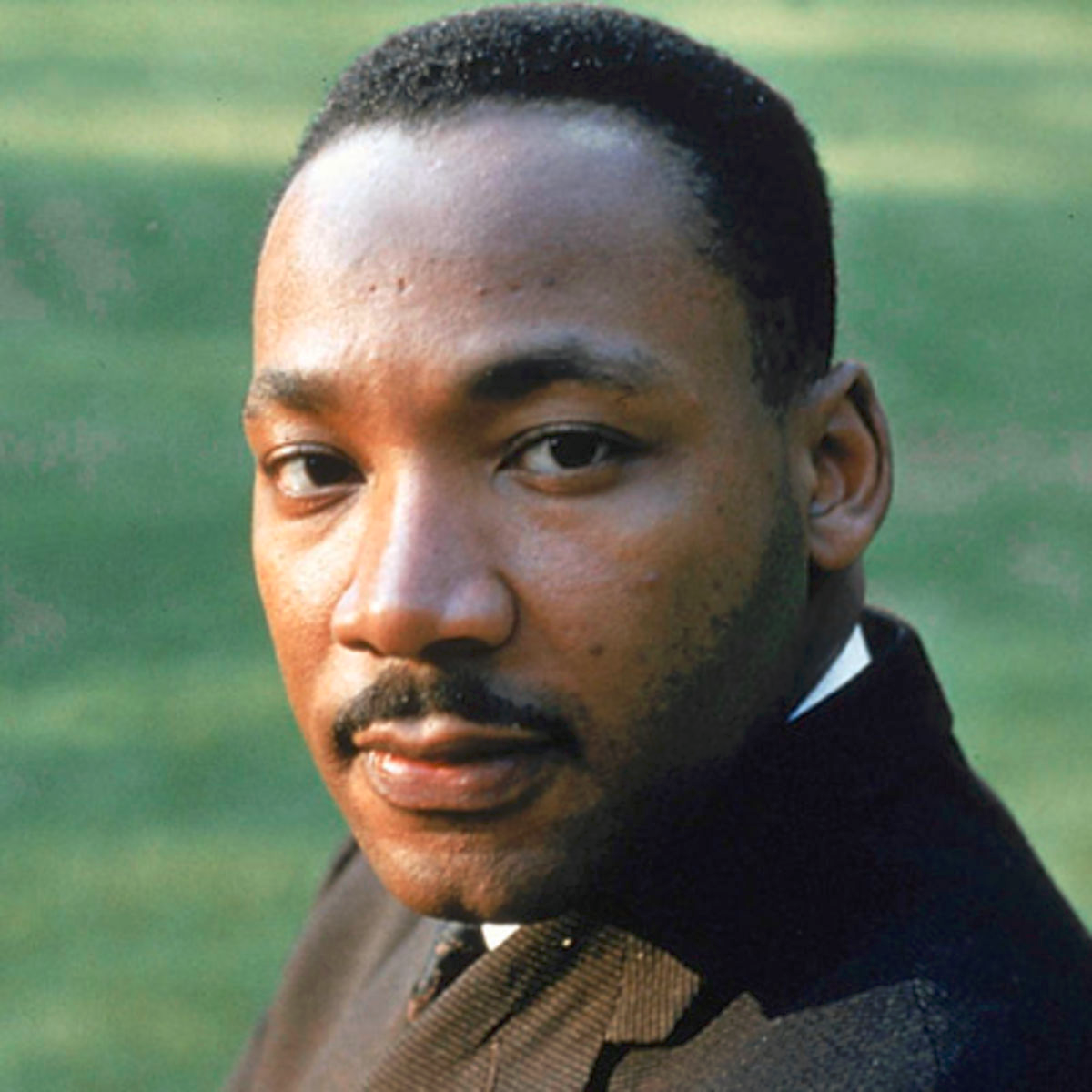
Monday, January 16, 2017

“Tell me what shall I do with these hands of mine?” - Dave Gunning
Today, we are observing a holiday to honor the birthday, and the life, of Dr. Martin Luther King, Jr. This is not one of my last 100 Mondays, and I am spending this holiday with my family. I wrote these words, earlier this week, not about my own experiences but about the legacy of wisdom he left us. I find myself thinking of his inspiring words, and I also have the fine song, “These Hands”, by Dave Gunning, running through my mind. Gunning reminds us of the hands, like King’s, that have “held the world together”, and asks what he should do with his own time here. Dr. King tells us that “The ultimate measure of a man is not where he stands in moments of comfort and convenience, but where he stands at times of challenge and controversy” and that “Life's most persistent and urgent question is, 'What are you doing for others?'”

I wonder what Dr. King would think of the last several months, of these first days of this new year, and of the events that are taking place around us? It is a good time to remember what he called us to do. In a letter from a jail cell in Birmingham, Alabama, he reminded us that “Injustice anywhere is a threat to justice everywhere.” There is certainly injustice impacting people throughout our nation and across the political spectrum. While some of the rich and powerful seek to divide us, we must come together to address the real problems in our land and not fall victim to the fact that “Differences have been contrived by outsiders who seek to impose disunity by dividing brothers” as King warned in his commencement address at Oberlin College. There are real divisions contributing to the polarization in this country, but there are also those who have contrived to amplify these differences for their own profit and power.

Today, the basic values and freedoms that make our nation great are threatened by those who would deny justice and equality to some, in order to advance their own power by making false promises to others. They advance the corrupt notion that denying freedom and justice to some will allow them to solve the problems faced by those whose support they have gained with promises they cannot keep, and that would harm our nation if they could.

In his Nobel lecture in December 1964, King warned that “we have not learned the simple art of living together as brothers.” He spoke of the recent presidential election when “The American people revealed great maturity by overwhelmingly rejecting a presidential candidate who had become identified with extremism, racism, and retrogression”. What would he say to us today?

The day before he was assassinated in 1968, Dr. King spoke in Memphis and told his audience that “the “world is all messed up. The nation is sick. Trouble is in the land; confusion all around. That's a strange statement. But I know, somehow, that only when it is dark enough can you see the stars.” As he encouraged non-violent action to achieve the change that was so desperately needed in those days, he called on those who would listen, saying, “Let us rise up tonight with a greater readiness. Let us stand with a greater determination. And let us move on in these powerful days, these days of challenge to make America what it ought to be.”

I believe that Dr. King would call on us again today to rise up, stand with greater determination, and move on in these days of challenge to make our nation what it ought to be. Looking out at us he would see people of different races, religions, and sexual identities. He would see immigrants, refugees, and Native Americans. He would see the women that make up more than 50% of our population but still earn only 83% as much as men. He would see people who are facing poverty and hopelessness even though their ancestors came, as immigrants and slaves, to this country generations ago and have worked all those generations trying to realize the American Dream for their families. Dr. King might say to us again, "We may all have come from different ships, but we're in the same boat now."  I believe he would remind us that "Every man must decide whether he will walk in the light of creative altruism or in the darkness of destructive selfishness."

He would call us to come together again, across the chasm that some have contrived to build between us, to oppose injustice and to work for freedom and equality for all. He would remind us that “Our lives begin to end the day we become silent about things that matter” and encourage us with his wise counsel that "We must accept finite disappointment, but never lose infinite hope." He would caution us, as he did his audience in Oslo when he gave his Nobel lecture, that “Violence is immoral because it thrives on hatred rather than love. It destroys community and makes brotherhood impossible. It leaves society in monologue rather than dialogue. Violence ends up defeating itself. It creates bitterness in the survivors and brutality in the destroyers.” I’m sure he would call on us to find a better way, as he did in his Nobel acceptance speech the day before, saying that “Man must evolve for all human conflict a method, which rejects revenge, aggression, and retaliation. The foundation of such a method is love.”

I wonder what new thoughts Dr. King would share with us if only he were still with us, as an 88-year old man, here today. I wonder what new voices will come forward as we struggle to find a way forward that rejects hatred, violence, and division. I will be remembering what Dr. King told us about the key qualities of such a way forward. “Darkness cannot drive out darkness; only light can do that. Hate cannot drive out hate; only love can do that.” May we remember his wise and inspiring counsel and, together, do the hard work of continuing to increase justice, freedom, and equality for all.

I encourage you to listen to Dave Gunning’s, “These Hands” on YouTube at: https://www.youtube.com/watch?v=5csvfGqJFqw He’s a wonderful writing and a fine musician. This song is on his album, “No More Pennies”

© 2017 James Michael. The text of this work is licensed under Creative Commons Attribution-NonCommercial-NoDerivatives 4.0