Monday, April 24, 2017


"The greatness of a man is not in how much wealth he acquires, but in his integrity and his ability to affect those around him positively." - Bob Marley
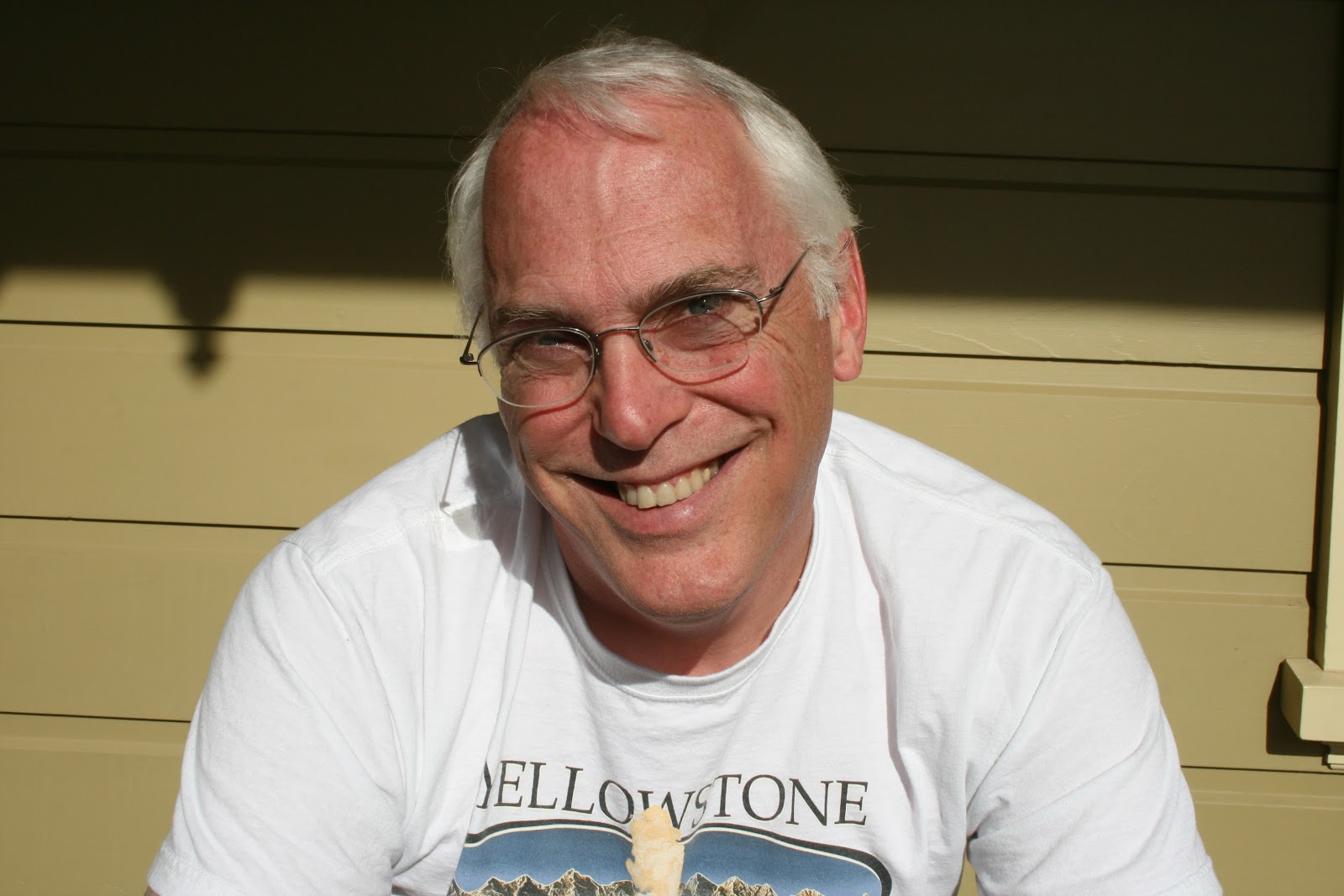
As I near the end of my career, I’m thinking about what more I’d like to say in this series of essays. It has been very interesting giving myself the weekly task of finding something meaningful to say about my experiences working in IT, and in managing and leading teams of colleagues. Today, I’ve chosen to write a little bit about a variety of topics from what it is like to be in a position of authority, to making the hard decisions, building trust, and helping others to grow.

First, I want to thank everyone involved in some of the things I am most proud to have been part of during these years as I have pursued my career. All my colleagues at GESCO during those early years when it felt like there was no technical or business challenge we couldn’t meet together. The family of volunteers and staff at SHARE where I learned so much, and enjoyed the opportunity to work with the MVS Storage, Computer Measurement and Evaluation, and Windows Projects, and to help found the zNextGen community.


I seldom use the word “family” in the context of work. Again and again, I saw the people of SHARE treat one another with the care and compassion of family. I am especially grateful to have been part of a wonderful family of colleagues and friends on the SHARE Board of Directors. We nourished this special organization to keep SHARE one of the best places I’ve ever found to build networks, learn from others, and to play together when the work was done. Best of all was the joyful surprise of finding my best friend there, and seeing that friendship grow to include our spouses and families.

I appreciate the wonderful community at Fresno State where I have spent the greater part of my working life. We have been through some hard times that tested our courage, and together we have made so many improvements in the way technology serves our university. Through it all, I’m proud that service to our students has been at the center of all we do.  I’m proud to have represented our university as I joined colleagues throughout our region in the Collaborative Regional Initiative, and Regional Jobs Initiative that have helped revitalize the economy of our community. Together, we worked to help lay the foundation for the information technology hub, and other efforts that prepare our cities, and the Central Valley, to offer greater opportunities for the people here.

I’m grateful for the opportunity I had to volunteer beside my wonderful partner, Sue, as she coordinated the Yosemite Environmental Living Program to share the National Park idea with children, and as we’ve worked to support our local Special Olympics. I’m happy to have sung and played at benefits for good causes, for children, and for our elders in rest homes. Most of all, I am grateful for the special circle of loved ones with whom I share my closest relationships. To sing, laugh, talk, and share quiet times with these dear ones. To walk in the mountains, along the shore, and under the stars with them, and to carry them always with me in my heart, is the greatest gift of all.

In every case, the best experiences I have had with people have been built on a strong foundation of trust. When we share our thoughts and feelings honestly, disagree respectfully, give each other our best, and are open to having our minds changed by new information, trust grows. Even struggling together, or with each other, can build trust when we do this respectfully, and are truly committed to helping each other improve and grow. We can risk disappointing one another, then rededicate ourselves to doing what is right together, and learn that we are understanding, respectful, and even loving in our relationships. I am deeply grateful to have so many people in my life whom I can trust, and who have given me their trust.

I’ve been fortunate to be part of a highly diverse group of professionals. This experience has made it clear to me how much stronger we are when we join together with others who are different from ourselves. The wider range of perspectives and insights provided by a diverse community help us recognize opportunities, and challenges, and provide us a better opportunity to find effective solutions. The culture of our university embraces the diversity among our students, faculty and staff, and we continually challenge each other to improve our openness to the differences that make us stronger. I also want to thank my colleagues for their patience when I’ve needed time to improve my awareness and sensitivity. I can recall professional relationships that grew stronger as I remembered the wisdom of Abraham Lincoln when he said  “I do not like that man. I must get to know him better."

Some roles have been harder for me than others. I believe I have been an effective leader. Still, my preference is to be one member of a team working together, or to work alone. One of the great challenges of leadership, and management, has been holding and exerting authority. While it is clear to me that someone must do this, I’m also aware that there were times when others could have acted with authority just as well, or better, than I have. Over time, I’ve been asked to take on positions of greater authority and responsibility, and there were also times when I was clearly the leader the team needed. I have not shied away from using authority when I must, but I have found supporting team members as they propose good solutions, and then using my authority to advance the best of these, has often been the most effective and comfortable option.

At other times, I’ve had to use my authority to take the hard, and often unpopular, actions that are part of any manager’s work. I’ve had to discipline employees whose behavior didn’t meet our expectations or, rarely, approached the unethical or illegal. I’ve been the one to end things that lead to hardship or hard feelings. I’ve shut down operations that no longer met our needs,  eliminated positions, laid people off, and even worked with our HR professionals to terminate a few people for cause. I’m grateful that I’ve had even more opportunities to begin things, as we’ve offered new services, created new positions in the organization, and offered people opportunities for growth. I’m very glad that I’ve been able to help many of those I had to lay off find new jobs or careers.
The positions of greater authority I’ve been offered might even be described as having given me greater power. It may have seemed like that to others, but it never felt like this to me. I’ve never sought to have or wield power, and the greater responsibility I’ve felt for those I’ve lead, and served, has far outweighed any benefit that power might have offered me. So often, I’ve had the feeling that I am simply doing my best at each moment, and making it up as I go along. I wonder how common this feeling is for leaders?

Among the most satisfying work of all has been mentoring, coaching, and supporting others. This is the work that is most closely aligned with my strengths and identity. I’ve enjoyed the opportunities to provide formal and informal mentoring to help my protégées pursue their professional and personal growth. It is so satisfying to see them achieve their goals and increase their contributions to those around them. I’ve also been glad to do more active coaching to help people develop new skills and hone existing talents, and to provide training and professional development opportunities, developing managers, growing an organization from within, and being ready to offer support when colleagues want, or need, to move on to pursue their goals and dreams.

I find myself thinking about how I will feel about not being “important” in retirement. I put that word in quotes as I don’t really think of myself as important at work. Still, I am aware that people have their own images of me. Some treat me as important, think of me as kind or thoughtful, etc. I know that I am simply myself, with all the strengths and weaknesses that entails, and that my loved ones at home know me much better than anyone at work.

While I believe I matter to my loved ones in the more meaningful ways, I’m just as sure that they don’t see me as “important” in these more trivial ways that honor status or position. I wonder what it will feel like to be just Jim, the well known and loved husband, father, and friend without any of the imaginary importance that exists here. I’m guessing I will be perfectly happy with this as I’ve never really felt “important” at work, and it is the time with my loved ones that I treasure most.


© 2017 James Michael. The text of this work is licensed under Creative Commons Attribution-NonCommercial-NoDerivatives 4.0

Monday, April 17, 2017

"Praise is well, compliment is well, but affection – that is the last and final and most precious reward that any man can win, whether by character or achievement." - from "Mark Twain's Essays, Letters, and Speeches"
Today, I am thinking about how very fortunate I have been to spend my working life with such wonderful people. With very few exceptions, my colleagues have been people of good character working hard together to advance the missions we have shared. I am so grateful for their collaboration, their graceful patience with me, and their affection. I will miss their daily company, the joy of working side by side with them, and the opportunities they have given me to be of use.

After my early experiences working washing windows, shining shoes, as a short-order cook, and busboy, I had the opportunity to work as a student assistant at UC Davis. I had a wonderful boss and some great colleagues. They taught me so much, and working at the Shields Library was a dream job for a guy like me who needed work to help pay for college and who loves books. This was also my first chance to work in IT as we installed their first computerized library management system. The people I worked with there were kind and generous, and it was wonderful to spend so much time in the stacks with all those books! I seriously considered a career change to spend my life working in libraries.

I didn’t take any computer science or MIS classes until after I graduated, as I had started out studying enology, and ended up with a B.S. in Psychology. I was making my living as a bank teller, and working nights as a janitor, when I saw a want ad for a computer operator job at our local county computer center. It was there, among a great group of welcoming people, who knew how to have lots of fun together, that I got the chance to learn more about programming, and to prepare myself for the rest of my career. This was also where I got my first chance to work with IBM mainframes, punch cards, magnetic tape, removable disk packs, and assembler language on an System/370 machine running OS/VS1.

Thanks to my experience at the county, I was able to get a job as an entry-level assembler programmer at a local service bureau serving the savings and loan industry across the US. This was one of the most exciting times in my career as this place had the energy of a startup, and my colleagues there were creating new ways to serve the industry. I’m sure I learned more about programming and technology in my eight and a half years there than at any other time in my career. My colleagues were creative and committed, and the company had a career track that would allow technical people to rise to a level equivalent to Assistant Vice President without management responsibilities.

This was where I first had the chance to work as a systems programmer, and where I found my first great mentor, Gary Sandwick. He taught me not just about technology, but about teamwork, problem solving, and what it means to take personal responsibility for the missions we share. He was my first great role model for how collaboration based on trust is the foundation for most of the best things we do together, and for how to recognize and appreciate people. More than thirty years later, I still find myself thinking about how Gary would handle a particular technical problem, or a situation where I'm trying to help people grow and work together.

He was also the person who introduced me to SHARE (www.share.org). I’ve often said that SHARE has been the best experience of my career, and I know this is true. Gary would come back from a SHARE meeting with all kinds of technical insights, and great stories, and I wanted to go! I’ll never forget him telling me about a talk in the early 80s where he first heard Sibo Friesenberg say "all processors wait at the same speed." It was thanks to him, that I got to go to my first SHARE meeting in 1986, and it was with his support that I began my career as a SHARE volunteer.

From my first day there in 1986, through over twenty years as an active volunteer with the SHARE MVS Storage, and Windows Projects, and on the SHARE Board of Directors, the people of SHARE constantly showed me the reality of their slogan, “SHARE. It’s not an acronym, it’s what we do.” I’ll enjoy the satisfaction of getting to be part of this great organization, and the pride I feel as I remember the work we did together there, as long as I live. It was at SHARE that I first took the lessons I had learned from Gary, and had the opportunity to apply them. Before I became a manager, worked with significant budgets, policies, and strategic planning, I learned about doing these things in my work at SHARE. I’m confident that I owe much of my success as a manager and leader to the experience I gained there.

Of all the gifts I received from my time at SHARE, the greatest are the friendships we formed. Across the country, and around the world, there are wonderful friends I first met there, and I am happy we’ve stayed in touch over the years. My wife and I found two of our dearest friends at SHARE, and we look forward to continuing our adventures, and these special friendships, as retirement gives us more options for spending time together.

For more than 70% of my career, I’ve had the privilege of working with the fine people at our university, and I’m so grateful to have been part of the work we’ve done together helping our students as they pursue their education. Of all the missions I’ve been part of, this is the most meaningful. I have such appreciation for the dedication of my colleagues as they work to support our students, faculty and staff, and to offer innovative IT services that improve teaching and learning.

Through almost 28 years, I’ve worked alongside these people who’ve met each day thinking how they can make a difference for our students. Again and again, I’ve watched them go out of their way to help students new to campus, or dealing with academic or personal problems. Year after year, we’ve watched the stress and anxiety associated with midterms, papers, and finals, and the relief, joy, and pride of commencement. I am proud of my colleagues, and proud to have been among them in sharing this work.

Soon, I will go home to spend more time with my loved ones, the dearest people in the world to me. I am very much looking forward to the opportunity to have more hours and days with these beloved family and friends. I will miss the daily contact with my dear colleagues, and I will make sure to come back to see them from time to time. Looking back over these past 40 years, it is the people who have made the greatest difference for me. The colleagues who made the work so meaningful and, most of all, my beloved wife, family, and friends who fill my life with joy.

© 2017 James Michael. The text of this work is licensed under Creative Commons Attribution-NonCommercial-NoDerivatives 4.0
Monday, April 10, 2017

“Don't let your happiness depend on something you may lose.” - C. S. Lewis in “The Four Loves”
When I am retired, I know I will work on refining my ideas about love. I think often about this most important of my feelings, and I’ve been making notes for some years now that I hope I can turn into an essay, or series of essays, about love. I am also at a point in my life when I have been dealing with the inevitable loss that we all face as our parents and other older loved ones die. I have lived enough years to face the tragedy that comes with the death of friends and loved ones taken from us too soon. I have begun to face the loss of friends and loved ones of about my own age. For me this question of love and loss is central to the choices we face between despair and joy. Central to the process of seeking peace in our hearts and minds.

When I saw this quote from C.S. Lewis, I felt an immediate response. I knew that I both agreed and disagreed with this idea. I agree with the the obvious wisdom of not tying our happiness to impermanent things like material possessions, or fame. I disagree with the idea that we should not let our happiness depend on the loved ones we are bound to lose in life. I looked again, briefly, at Lewis’ wonderful book, “The Four Loves”, seeking the context in which he wrote these words.

Lewis is writing about Saint Augustine's desolation at the death of a friend, and disagrees with the saint’s conclusion that we must not love what we might lose. He writes compellingly against the idea that we should avoid this risk. Instead, he encourages us to accept the risk, vulnerability, and loss that come with loving. Only through being open and vulnerable to love are we able to realize our full humanity, and our most profound relationship with the divine; however we experience that aspect of reality.

I agree with this so completely. I choose to love as richly and fully as I am capable of loving, and to seek a greater closeness with my beloveds always. I find that this brings me ever greater opportunities for joy, intimacy, and love in my life. It brings me closer not only to my loved ones, but also to myself, and to my own sense of the divine. My wonder at the immensity of the night sky, of the delicate intricacy of the smallest flower, and of the inexpressible beauty in the eyes of my beloveds grows beyond measure when I open my heart fully to love.

I gratefully accept the risk and vulnerability of loving in this way. I accept that the more powerful the love, the more powerful the grief I will face. Some of this grieving will find me on my journey through life, as it has already, and some will be waiting for me at the end. I've talked with my family about this, and shared that at the end of my life I expect to face great loss. I will have survived people I love deeply, and I will be leaving behind people I love deeply. There is no escaping this and I accept that fact.

Part of choosing love is living with the grief of loss. The process of grieving is a journey that we each face alone, and still one in which we can be comforted and strengthened by the presence of our loved ones and community. While there are moments of profound loneliness in grieving, and there can be long stretches of sadness at our separation from our lost beloveds, we are also joined by the fact that all who love deeply will live through these times of grief. May we offer, and accept, the hand of friendship, the embrace of comfort, and the shared strength of love and understanding in our times of grieving.

The scale and scope of my loss will be in proportion to the scale and scope of my love, and so I hope the loss I face in my life will be immense. It will be worth facing this loss to feel that I have loved to the greatest of my ability, and have been loved by my beloveds. I believe our shared love will be enough to comfort me in my grief. I hope to be surrounded, and supported, by the love of those still with me in this life, and by the never-ending love of those that have gone on before me. I will seek peace in remembering that my grief is irrefutable evidence of our love.

If I do someday finish some writing to share my thoughts and feelings about love with the world, I know the process will take more time and care than these essays I’ve written over the past two years. To write about what is most important of all will be a wonderful challenge, and I don’t imagine anything I write will ever finally capture what is in my mind and heart. I have been careful not to re-read “The Four Loves”, Erich Fromm’s “The Art of Loving”, and other works that were important to me as a young man seeking to understand this most important of my emotions. I’ll enjoy reading them again once I’ve explored my own beliefs about love to see what new light they shed for me. I imagine they may inspire another round of editing! If I ever approach Lewis’ wonderful ability to convey great meaning in few words, I’ll be very glad.

My ultimate agreement with the idea that we should not let our happiness depend on something we may lose comes from my belief that the love we share is not something that we may lose. I have faith that love is something that goes on forever beyond the end of space and time, and not something we can lose even in death. That brings me great happiness, indeed, and is one of the firmest foundations of my peace of mind, and the peace in my heart.

© 2017 James Michael. The text of this work is licensed under Creative Commons Attribution-NonCommercial-NoDerivatives 4.0

Monday, April 3, 2017

“Follow, poet, follow right
To the bottom of the night,
With your unconstraining voice
Still persuade us to rejoice.” - W.H. Auden from “In Memory of W.B. Yeats”Jim.pngAs retirement comes closer each week, I find myself looking forward to the new adventure ahead, and thinking about some of the most important and meaningful things from my career in IT. Many of these are lessons I’ve learned that have helped me be a better colleague, leader, and man. I know that most will serve me every bit as well in the next chapter of my life.

I’ve learned from my loved ones, from friends and colleagues, from mentors and teachers. I’ve learned from people who have been part of my life, and from philosophers, sages, historical figures, and authors who died long before I was born. A lover of reading, I’ve learned from books. From history, biography, some of the greatest classics of literature, and from some great modern fiction.

Today, I find myself thinking about a wonderful lesson that combines learning from my friends and loved ones, and from a wonderful book. I am fortunate to have a dear friend who shares my love of reading. My book buddy and I share favorite books with each other and I enjoy our visits about what we’ve been reading. Among the wonderful authors she has introduced me to is Louise Penny, and it was in Penny’s book, “Bury Your Dead” that I first encountered her Chief Inspector Gamache’s four sentences that lead to wisdom. I had come to this book looking forward to the relaxing escape of a murder mystery. I found that escape, and also one of the most compassionate characters I’ve ever encountered in a mystery novel.

Through Inspector Gamache, Louise Penny passes on four sentences, that she tells us he received from his mentor, and shares with each of his protegees. They are the four sentences that lead to wisdom:

I’m sorry.
I was wrong.
I need help.
I don’t know.

When I met these four sentences in her book, they were like old friends I had know most of my life. I don’t pretend that these were new ideas to me. Still, Penny showed them to me in a new way by sharing them through the words, thoughts, and actions of a caring man who struggled with them even as I have. As Armand Gamache strove to find the truth in a way that would help him do the right thing, I felt reenergized in my own efforts to practice saying these simple words, and meaning them.

“I’m sorry”. Of the four sentences, I think this one is the easiest for me to say. I am an emotional man and this is the one sentence that expresses an emotion. I am far from perfect, as we all are, and I have many opportunities to apologize for my mistakes. To apologize for doing wrong despite my earnest efforts to do what is right. I offer a truly heartfelt apology. The hard work comes from the fact that being sincerely sorry is seldom, if ever, enough. It is a first step toward committing to changing the things about myself that lead me to take wrong action, or make a particular mistake.

I think each of these four sentences offers a similar challenge. Having made any of these statements, we are then called to take action. “I was wrong”, was harder work for me. I’ve learned to say this almost as often as I need to, and it has been a humbling experience. I’ve tried so hard to do what is right, that there have been times when admitting that I am wrong has been very difficult for me. I’m grateful that I’ve learned that with “I was wrong”, I can give myself permission to make adjustments, or begin again, in my quest to do what is right.

“I need help”, is the one of these that I’ve been working on with the least success for the longest time. When I was a young teenager, my dear older sister, Nancy, first encouraged me to ask for help more often. I was walking, or riding my bike, miles to visit a friend, and Nancy tried to help me understand that I could ask her for a ride. From this simple beginning, I have worked to ask for help when I need it, but it’s still common for me to prefer to do things myself instead of asking others for help. As you can imagine, this is one of the reasons that delegating work has been more challenging for me. I’m glad to say that I’ve made real progress in this area over the years. At the same time, I’m sure I’ll need to keep working on the wisdom I can gain by asking for help.

“I don’t know”, is one of the most freeing of these four sentences for me. I grew up being praised for my intelligence, and have often been the one in my family who others turn to for answers. I’ve even been kidded about being “the keeper of all useless bits of knowledge” by my kids. I do know many things, and I’m happy and proud to have enjoyed accumulating knowledge during my life. The great thing about “I don’t know”, is that it helps me identify areas where I can learn more. After all, learning about, and researching, new things is something I really enjoy! “I don’t know” also gives others the opportunity to share their knowledge, and this is a wonderful way to learn, and to build relationships.

I never know when I will encounter something that helps me grow. I’m glad I found this sentences that lead to wisdom in a wonderfully written murder mystery. Louise Penny says that these books are inspired by two lines from W.H. Auden’s elegy, “Herman Melville”.

“Goodness existed, that was the new knowledge
his terror had to blow itself quite out to let him see it.”

In the face of even the terrifying evil of murder, Armand Gamache can see the goodness that exists. No wonder I like this character! My belief in the fundamental goodness of people is one of the most important parts of my world view. By practicing his four sentences that lead to wisdom, I have been able to improve my own goodness, and my ability to see, and encourage, goodness in others. I’m grateful to Louise Penny for giving me a new way to look at these ideas, and for the enjoyment I’ve found in reading her books. I’m very grateful to my dear book buddy for introducing me to so many wonderful books! I know that reading will be a lovely part of my retirement.

© 2017 James Michael. The text of this work is licensed under Creative Commons Attribution-NonCommercial-NoDerivatives 4.0

Monday, March 27, 2017


"Ever tried. Ever failed. No matter. Try Again. Fail again. Fail better." - Samuel Beckett from “Worstward Ho”
In 1969, Laurence J. Peter advanced his theory that "In a hierarchy every employee tends to rise to his level of incompetence” and The Peter Principle has had a great deal of influence on the teaching of management ever since. While, being an optimist, I can’t help but hope that Dr. Peter’s principle is not as universal as he claimed, I admit that I’ve been concerned about reaching my own level of incompetence before retiring from my professional career.

I also sometimes find it hard to value my knowledge and experience, and other abilities or qualities, as much as others do. I tend to hold myself to a pretty high standard, can be my own worst critic, and have had a very real fear of failing before I reached the finish line of my career. Not of simply failing in the way we all do every day. The failing that helps us learn and grow stronger, but a fear of failing utterly. As I look forward to retirement, less than 9 weeks from today, I’m grateful that I seem to have escaped The Peter Principle, and it appears I will be able to finish my career in a way that will allow me to feel proud of what I’ve accomplished.

Dr. Peter points out that in most hierarchical organizations, we base our selection of candidates to advance to more responsible positions on their performance in their current roles, rather than on the knowledge, experience, and abilities they would need for the new role. Where this is true, the selection process rewards past performance but does little to ensure future success. He paints a bleak picture for such an organization where “in time every post tends to be occupied by an employee who is incompetent to carry out its duties” and “work is accomplished by those employees who have not yet reached their level of incompetence."

I’m glad to say that I don’t believe I’ve seen much evidence that this is the situation at our university. While there will always be those who are more and less successful as they assume more responsible roles, I have participated in may recruitment processes that included significant efforts to understand how candidates’ knowledge, abilities, and experience prepare them for success in a new role, and that consider how they would fit with the culture of the organizations they would serve in that role. In that sense, our organization, while hierarchical, doesn’t entirely fit Dr. Peter’s description of one where candidates are selected based primarily on their performance in their current role. We also make a significant effort to support professional development that allows people to develop the new skills and knowledge they will need to be successful.

As I look at my own apparent escape from The Peter Principle, I’m struck by the fact that the only time I advanced in my career at the university through our recruitment process was when I was initially hired in 1989. Every time since then that I have applied for a more responsible position, I’ve been considered seriously, but was ultimately unsuccessful. Every time I advanced to a more responsible position, it was because our leadership believed I had something to offer in that role and asked me to accept greater responsibility. Perhaps my escape is partly due to the fact that the process used to select me for advancement considered the qualities I’d need to succeed as well as my past performance.

I appreciate that the leaders I served saw something in me that lead them to ask me to do more. That they valued my abilities, and character, and challenged me to grow. To my own credit, I had enough confidence in myself to say yes to these opportunities, and my high standards often meant that striving to meet my own expectations lead me to exceed theirs. With only one exception, I served leaders who encouraged me to keep growing and who supported the professional development activities that helped me increase my value to our university.

I also made some choices with regard to my career aspirations that may have helped ensure that I remained working at a level where I was able to make valuable contributions. Earlier in my career, I had considered seeking a position as Chief Information Officer. I believed I had the vision and leadership ability to serve effectively in that role. After careful consideration, I chose not to pursue that goal and, instead, to remain a senior operational IT leader while advocating for our university to hire its first CIO. While it is possible that I would have made a good CIO, I am satisfied with the choice I made. I never did face the challenge of serving at that more responsible level, and will never know for certain if I could have done so successfully.  

The greater challenges and demands of the increasingly responsible roles I’ve played in my career were a factor in my decision, too. The stress and pressure that came with these positions, including the demands of my own high standards and my difficulty in saying no, took a toll on me. My fear of failing professionally, becoming incompetent to do my job well, were joined by a fear that I would fail physically, mentally, or emotionally before I’d reached a point where I could retire with confidence that my family would be financially secure. A stress-related illness three years ago also helped me decide to retire a bit earlier than I’d originally planned. I’m so very grateful to my wonderful wife, and all our loved ones, for their support as I’ve recovered, and as we’ve made a plan for retirement that allows me to end my career on a high note.

I am relieved to see the finish line so near now! I’m glad that the university hired its first CIO in time for me to help with the transition to that new model for our IT organization. I’m grateful to our CIO and all our colleagues for the way they have allowed me to participate in that process as Executive Director. I’m proud of the teams I have been leading over these past 16 months in my interim role as Director of Client Services, and grateful to the stakeholders whose colleges, schools, and divisions we serve for being such wonderful colleagues as I’ve played one more new role before I say farewell.  

I’m proud of what I’ve accomplished, with the help of so many others, in my nearly 28 years working in IT at our university, and the 10 years before that in county government and the savings and loan industry. I would never have been able to predict that my professional life would take this course when I graduated from U.C. Davis all those years ago. Who could have guessed that a psychology major who had never taken a single class in IT or computer science would make his living this way? It now seems clear I will have the pleasure of crossing the finish line of my career with my head held high. I feel such gratitude for all my wonderful colleagues, mentors, and friends in this work over the years. My heart is filled to overflowing with love for my family, friends and loved ones, and especially for my precious partner on this journey, my Sue.    

Monday, March 20, 2017

"You know the sound of two hands clapping; tell me, what is the sound of one hand?" - Hakuin Ekaku.
Ten weeks from today, I will be retired from my full-time career in IT. As I look forward to that day, I find myself increasingly aware of the passing time, and I know that day will be here before I know it. I realized this week that I first began working in IT while I was a student at UC, Davis more than 40 years ago. I worked at the Shields Library doing various tasks that included helping with the work to implement their first computerized library management system from CLSI.

After working for ten years supporting IT for county government and then in a data center supporting savings and loans clients from Connecticut to Hawaii, I’m glad that I returned to working at a university for most of my career. I am also grateful that my work volunteering with SHARE continued when I moved from the private sector to education, and that I had the opportunity to do some of my most satisfying work, and find some of my dearest friends, there. I will retire with just over 28 years of service credit and I know I made the right choice to spend these years serving our students, faculty, staff, and administrators.

I’ve had opportunities over the years to leave the university to work in other enterprises, and I would probably have made more money if I’d taken one of those. I’m glad I chose to stay. It’s been clear to me for many years that there are things much more important than money, and that the most important things aren’t things at all. They are the relationships we share with one another, and ourselves, and the values that form the foundations of these relationships.

I am so very grateful to have spent most of my working life doing work that serves young, and not so young, people as they seek knowledge and experiences to prepare themselves to make a difference in the world we share. I’m glad to have formed strong relationships with my colleagues as we share this work, and endlessly grateful for the deep and lasting friendships that I’ve formed thanks to my career bringing me together with some very wonderful, and special, people. Most of all I am grateful that this work has allowed me to provide for my family while doing work that has made a difference.

In recent years, my days have often been filled with meetings, and I’ve had to learn that this was a significant part of the work I do. To remind myself that, rather than preventing me from doing important work, the meetings were one of the ways we do the important work of sharing our insights with one another and building the relationships that help us do what is right together.

In recent weeks, I find the meetings taking on a new character. I have already had my last meetings with some of the people and groups I work with, and many of the meetings in these next ten weeks will offer me those last opportunities to share in the work we do together. I find myself looking ahead and helping to find the best ways to pass the torch so that the work goes ahead well without me. I also find myself feeling and expressing my gratitude and appreciation.

I have been so fortunate in the people I have had the honor, and pleasure, to work with. In all these years at our university, there have been only a handful of people who I struggled to get along with, or whose motives did not seem to me to serve the best interests of our students and the institution. The number of these people is vanishingly small when compared with the vast, generous, majority who met each day with a genuine desire to make a difference, and to do what is right, for the students we have the privilege of serving. I have served among people of good character, who meet opportunity with energy and creativity, adversity with courage and determination, and each other with compassion and goodwill.

The Zen master Hakuin Ekaku, who created the koan I quote at the beginning of this essay, believed his question was effective in generating the great doubt necessary to those seeking enlightenment. For me, questions like this one have served for many years to help inspire the doubt that I have arrived at a final answer. To keep my mind, and heart, open to new insights from myself and others. Recently, I have found my own answer to this inherently unanswerable question. It is an answer, and not the answer, and I remain open to the great doubt and to new awareness.

The answer I have found reminds me that our separateness is an illusion. That the positions we take, and argue for, can appear to separate us while an open, and shared, exploration of the questions behind these positions can actually serve to bring us more clearly together in service of a stronger common understanding. That when we appear to be at odds with one another, we are facing an opportunity to grow in our understanding of each other and how we can best engage in the work ahead of us.

As I look forward to retirement, I know that it is people and our relationships that I will miss the most. I know that I will look back on what we have shared with a fond respect and admiration for my colleagues. That I will take steps to help find the next form of these relationships as my own journey continues in a new way. That I will rededicate myself to giving openly and fully in my relationships with my loved ones. I will be reminding myself that our separateness is an illusion and that the moments we share continue to enrich our lives always.

© 2017 James Michael. The text of this work is licensed under Creative Commons Attribution-NonCommercial-NoDerivatives 4.0

Monday, March 13, 2017

“I’m not a basketball player. I am a man who plays basketball.” - William Felton Russell
Today, I find myself thinking about a conversation I had with one of our Dean’s a few weeks ago. Maybe this is because I’ve been thinking about basketball this morning! You see, one of my best friends spent this weekend in Halifax, Nova Scotia enjoying the U Sports Men's Basketball Final 8 Championship games there. When I start thinking about basketball, it’s not long before I think of Bill Russell. I remember watching him play on television when I was a boy and he’s long been a role model for me of the relationship between what we do, and who we are.

During that conversation with the Dean, who has been a wonderful colleague and friend of mine for years, I had another opportunity to mention this wonderful man and what I learned from his example. For the rest of my life, when I hear the phrase, "the role of the academic" I know I will find myself thinking of that conversation. The Dean was congratulating me on my planned retirement and commented that she can't imagine retiring as she is so passionately engaged not only in scholarship in the social sciences, but especially in speaking and working in our local community. I know from my own experience with her that she is simply sharing her genuine love for her field, and the people of the Central Valley, when she says this.

She embodies the passionate desire to know, and to share, that justifies the hard work and sacrifice required to engage in scholarship in the most meaningful way. I am glad that I have seen this kind of passionate engagement many times before. When I think of “the role of the academic”, I think of many colleagues, and many of my own teachers, who provide wonderful examples of what it means to be a scholar in the best sense of that word. I always think of my father-in-law, with great respect and gratitude, who, by sharing his passion and enthusiasm for his field, helped fan the spark of curiosity for so many students into a fire that has lit and warmed their lives and the world around them.

As the Dean and I talked about retirement, I contrasted her relationship to her work with mine. My passion has been to provide for my family while doing something useful that made a difference. Ultimately, I have tried to do what is right, with love. Still, my passion is not for the work itself. I shared with her the story of Bill Russell who, when asked "Are you a basketball player?" says, "That’s what I do, that’s not what I am. I'm not a basketball player. I am a man who plays basketball." It was a new story to her, and, as soon as she heard me tell it, she seemed to relax and to understand that I would be just fine in retirement.

With her own deep satisfaction in the work she is engaged in, she had been a bit concerned that I might find life less satisfying in retirement. As we talked, she asked about what I planned to do and became even more relaxed, and animated, as I described the many interests I am looking forward to pursuing more richly once I am retired. She smiled and said, “I think you’ll be just fine!”

As we talked, I found myself thinking that how we describe and define ourselves, especially to ourselves, is very important. Whether we actively work to explore and choose these definitions, or find that they seem self-evident for us, the stories we tell about our purpose and priorities play a vital role in defining who we are. The stories of the Dean’s inspiring journey to become herself, and of my own more modest journey of self discovery, are central to our senses of self and inform the choices we make about how we spend our time and energy in life.

I admire her passion for her work and I am comfortable to do my own work out of a passion for my family, and a desire to make some meaningful difference. I think there may be some middle ground, especially here in our world of academics, between a person like her who works in her passion, and one like me who has little passion for the work itself, and yet finds satisfaction in the contributions he can make to the mission of the university. A place where we see one another in the light of our shared purpose.

A place where academics could both be warmed by the fire of their desire to know, and warm others by sharing what they have learned in a welcoming way that breaks down the illusion of an elite. Where non-academics can bring their best to advancing our shared mission of teaching, learning, scholarship, and community engagement in way that demonstrates their genuine desire to be full partners in this work. Perhaps she and I have begun to share that middle ground already.

We all make choices, and compromises, as we define ourselves and pursue our lives. Where our choices are aligned with our values and beliefs, with our mission and purpose, we are most likely to feel harmony between our actions and our sense of self. Even the most difficult choices, the most challenging obstacles, and the most demanding tasks can be deeply rewarding. We can stretch to work far beyond our comfort zones while remaining true to who we are. We can take our rest, and recover from our labor, satisfied that we have acted in good conscience to do what is right. I have experienced this in my own life and I know that being conscious that who I am is not defined by what I do has been critically important to my ability to make good choices.

This is the third time I’ve used this story about Bill Russell in these essays. I know I’ll tell his story many more times in my life, when I want to help make the point about the difference between who we are and what we do, and I’ll always be grateful to him for his shining example of how understanding this distinction can help us add meaning to our lives. In February 2011, President Barack Obama awarded Bill Russell the Presidential Medal of Freedom and cited him as "someone who stood up for the rights and dignity of all men". I think his own understanding of what it means to be a man with dignity, and love, will always be an inspiration to me.

Now, I find myself looking forward to retirement and thinking of my best friend sharing his joy in retirement with the family and friends he loves, and often immersed in the world of Canadian university basketball that he finds so satisfying. I’ve known this good man for many years, watching with admiration as he pursued his work with integrity and energy, seeing him face adversity with courage, and feeling my heart fill with gladness as he met the best of times with grace and gratitude. I’m glad I had the good fortune to work alongside him in our days at SHARE and happy we continue to share the friendship that grew there.

I watch him enjoying the new adventure of his retirement in the same way. True to his values and to who he is. Giving to his family and community. Finding joy in those things that mean the most to him. If I am fortunate enough to leave the world of work in a way that earns me the good will of my colleagues, and adventure on into retirement as my dear friend has, sharing the love of my family and friends, giving back to my community, and exploring those things that bring me joy, I will be satisfied indeed.

© 2017 James Michael. The text of this work is licensed under Creative Commons Attribution-NonCommercial-NoDerivatives 4.0